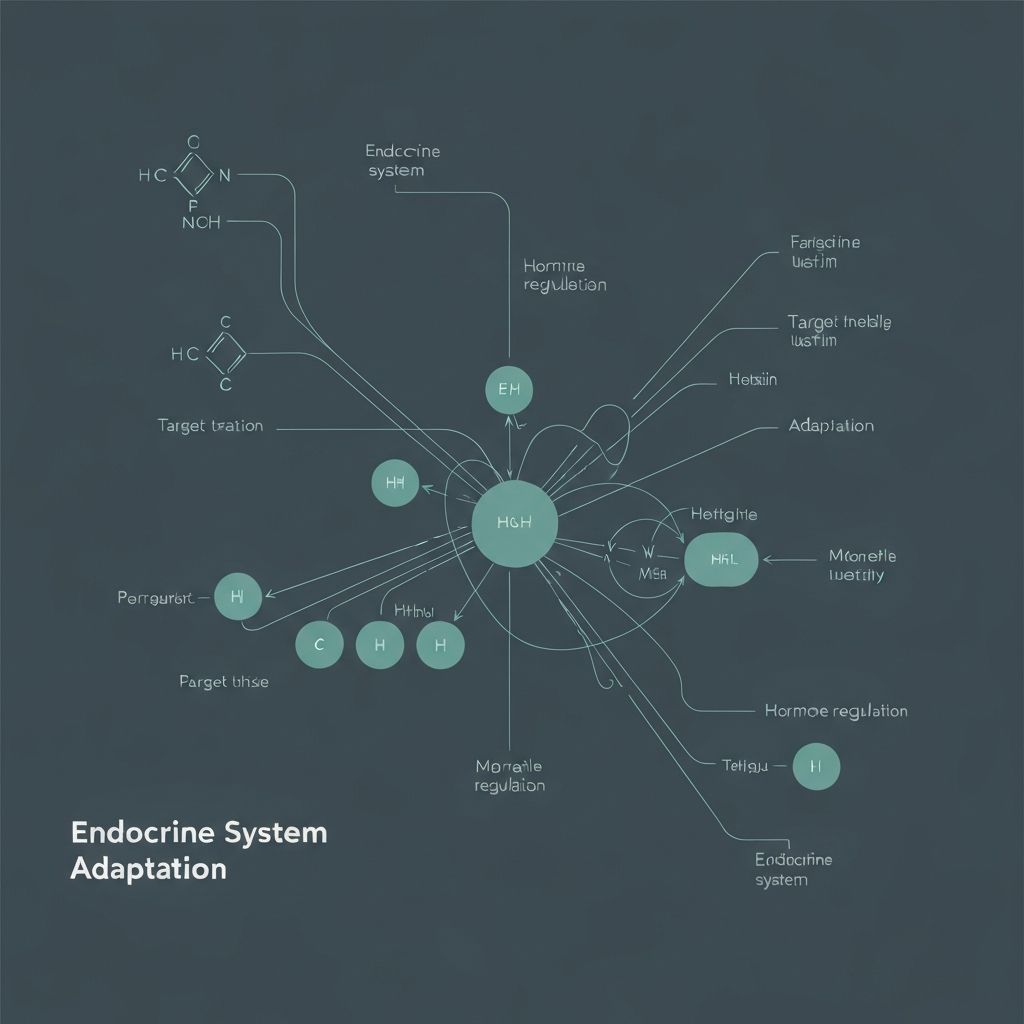
The Hormonal Adaptation Cascade
Sustained energy restriction triggers coordinated changes across multiple endocrine systems. These changes reflect integrated physiological responses to perceived energy insufficiency and represent homeostatic defence mechanisms rather than pathological states.
The hormonal cascade includes changes in the hypothalamic-pituitary-adrenal axis, thyroid function, pancreatic function, and adipose tissue-derived hormones. These systems interact to influence energy storage, utilization, appetite regulation, and metabolic rate.
Leptin: The Primary Satiety Signal
Leptin, produced by adipose tissue, signals energy sufficiency to the hypothalamus. During energy restriction, leptin declines proportionally to fat mass loss and energy deficit severity. This decline is one of the most consistent hormonal findings in weight loss research.
The magnitude of leptin decline varies with the extent of energy deficit and fat loss. More severe deficits produce greater leptin suppression. The decline occurs relatively rapidly in response to acute energy deficit, preceding substantial fat loss.
Research Context
Leptin measurements in weight-loss studies consistently show dose-dependent decline. Twin studies show substantial genetic variation in baseline leptin levels. Interventional studies demonstrate that leptin supplementation in weight-loss-induced hyperleptinemia reverses many adaptive responses.
Leptin's Effects on Appetite and Metabolism
Declining leptin activates multiple adaptive responses through hypothalamic signalling. Appetite increases (mediated through neuropeptide Y and agouti-related peptide pathways). Energy expenditure decreases. NEAT reduction occurs. These effects are coordinated to oppose the energy deficit.
The appetite increase during energy restriction represents leptin-driven increased hunger signalling, not a personal failure or loss of willpower. This is a physiological response to signalled energy insufficiency.
Ghrelin: The Hunger Hormone
Ghrelin, produced primarily by gastric mucosa, signals short-term energy need. During energy restriction, ghrelin typically increases, particularly before meals. This increase contributes to enhanced hunger sensation and increased appetite.
Ghrelin elevation during restriction varies between individuals based on factors including baseline ghrelin secretion patterns, diet composition, meal frequency, and individual genetic variation. Some individuals show modest ghrelin increases while others show substantial elevation.
Ghrelin's Behavioural Effects
Elevated ghrelin increases reward-driven eating behaviour, promotes meal initiation, and enhances food palatability perception. These effects represent coordinated appetite system responses to energy insufficiency rather than personal control failures.
The ghrelin-driven appetite increase is particularly pronounced during acute restriction transitions and may diminish somewhat with sustained restriction as metabolic and behavioural adjustments stabilise, though ghrelin typically remains elevated relative to baseline.
Key Research Observations
Ghrelin measurements show consistent increases during energy deficit. Ghrelin administration studies demonstrate that ghrelin injection increases food intake and promotes weight gain. Ghrelin antagonist studies show modest effects on appetite, suggesting ghrelin is one component of appetite regulation rather than the sole determinant.
Cortisol and the Stress Response Axis
Cortisol, the primary glucocorticoid hormone, may increase during sustained energy restriction. Cortisol elevation represents a physiological stress response to energy deficit. Cortisol promotes protein catabolism and gluconeogenesis, prioritising fuel availability for vital organs.
The magnitude of cortisol elevation varies substantially between individuals. Some individuals show minimal cortisol increase while others show substantial elevation. Factors influencing cortisol response include baseline stress exposure, sleep quality, exercise intensity, and individual genetic variation.
Thyroid Hormone Suppression
Thyroid hormone production, particularly triiodothyronine (T3), may decline during sustained energy restriction. This suppression directly reduces resting metabolic rate and contributes to overall metabolic adaptation. The effect is proportional to deficit severity.
Thyroid hormone suppression typically reverses with weight restoration. However, the degree of thyroid suppression varies individually, and some individuals show greater suppression than others. This contributes to individual differences in metabolic adaptation magnitude.
Insulin Sensitivity Changes
Insulin sensitivity typically improves during energy restriction and weight loss, despite potential metabolic suppression. This improvement reflects reduced fat mass and improved metabolic state. However, the magnitude of improvement varies substantially between individuals.
Some individuals show dramatic insulin sensitivity improvements during weight loss while others show modest improvements. Factors influencing improvement magnitude include baseline insulin resistance severity, fat loss proportion, lean mass preservation, and individual genetic predisposition.
Coordinated Hormonal Response
These hormonal changes do not occur in isolation but represent a coordinated adaptation cascade. Leptin decline signals energy insufficiency. Ghrelin elevation enhances appetite. Cortisol elevation promotes catabolism and glucose availability. Thyroid suppression reduces energy expenditure.
Together, these changes represent an integrated physiological response to energy deficit that opposes further weight loss while promoting energy restoration. Understanding hormonal adaptation as coordinated response rather than isolated hormone dysfunction contextualises weight loss plateaus appropriately.
Individual Variation in Hormonal Adaptation
Individual variation in hormonal response magnitude is substantial and genetically influenced. Some individuals show robust hormonal adaptation responses while others show minimal changes. This variation contributes meaningfully to differences in perceived hunger, metabolic suppression, and weight loss trajectory between individuals.
Genetic factors, prior weight history, age, sex, baseline hormone levels, and current physiological status all influence individual hormonal adaptation patterns. No single hormonal measurement predicts individual weight loss outcomes.
Hormonal Recovery and Sustainability
Hormonal adaptation is reversible. With weight restoration, leptin increases, ghrelin declines, cortisol normalises, and thyroid hormone production recovers. The timeline of hormonal recovery varies individually and depends on the degree of weight regain and maintenance duration.
Sustained weight loss maintenance requires adaptation to elevated appetite signalling and metabolic suppression. This adaptation involves both physiological adjustments and behavioural accommodation to the sustained hunger increase and reduced energy expenditure associated with long-term weight loss.